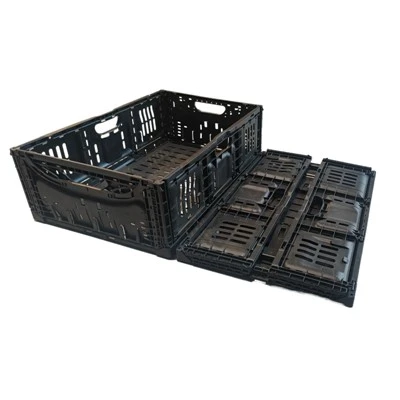
In recent years, plastic crate storage boxes have gained significant attention across various industries due to their versatility, durability, and environmental benefits. These storage solutions are increasingly becoming a preferred choice for businesses and households aiming to optimize organization, improve efficiency, and reduce costs. Plastic crate storage boxes are designed to meet the demands of contemporary storage needs. Unlike traditional wooden or metal crates, plastic crates are lightweight yet robust, making them easy to handle and transport. Their resistance to moisture, chemicals, and impact enhances their longevity, especially in environments where cleanliness and hygiene are paramount, such as food processing, pharmaceuticals, and retail. One of the key factors driving the popularity of plastic crate storage boxes is their adaptability. They come in various sizes, shapes, and configurations, including stackable, foldable, and ventilated options. This allows users to customize their storage systems according to specific requirements, maximizing space utilization both in warehouses and during transportation. For example, foldable crates can be collapsed when not in use, saving valuable storage space and reducing logistics expenses. Environmental considerations also play a crucial role in the adoption of plastic crate storage solutions. Many manufacturers now produce crates from recycled and recyclable materials, supporting sustainable practices and reducing waste. Unlike single-use packaging, plastic crates can be reused multiple times, decreasing the carbon footprint associated with packaging and storage operations. In the retail and logistics sectors, plastic crate storage boxes streamline inventory management and improve supply chain efficiency. Their standardized dimensions and compatibility with automation technology facilitate easier handling by machines and workers alike. This not only cuts down on labor costs but also minimizes errors and damages to goods. Furthermore, the ease of cleaning and sanitizing plastic crates makes them ideal for industries where contamination must be avoided. For instance, grocery stores often use ventilated plastic crates for storing fruits and vegetables, promoting air circulation and preserving freshness while ensuring compliance with health standards. In households, plastic crate storage boxes offer practical solutions for organizing spaces such as garages, closets, and playrooms. Their sturdy construction ensures safe storage of toys, tools, and seasonal items, while their lightweight nature allows for effortless rearrangement. In conclusion, plastic crate storage boxes represent a smart investment for businesses and consumers alike. Their durability, flexibility, and sustainability are transforming the way we approach storage and logistics. As industries continue to prioritize efficiency and environmental responsibility, the demand for high-quality plastic crate storage solutions is expected to grow, driving innovation and reinforcing their role as essential storage tools in the modern world.
 English
- English
- Français
- Deutsch
- 日本語
- Italiano
- Español
- Português
- русский
- 한국어
- اردو
- Melayu
- हिंदी
- עברית
- Norsk
- Ελληνικά
- România limbi
- Polski
- Svenska
- Bai Miaowen
- Latviešu
- Eesti
- Việt Nam
- فارسی
- Čeština
- magyar
- Türkçe
- বাংলা
- dansk
- slovenščina
- bosanski
- slovenčina
- íslenska
- suomi
- Malti
- українська
- ไทย
- Nederlands
- Gaeilgenah Éireann
- عربي
- Indonesia
- Cymraeg
- hrvatski
- Български
- Kreyòl Ayisyen
- Català
- Lietuvių