In recent years, the logistics and storage industries have witnessed a significant shift toward more efficient and durable solutions, with plastic small crates emerging as a preferred choice. These crates have gained popularity due to their versatile applications, cost-effectiveness, and environmental benefits compared to traditional materials such as wood or metal.
Plastic small crates are lightweight yet sturdy containers designed for the easy handling and transportation of smaller goods. Their compact size makes them particularly suitable for sectors requiring high organization and quick access to items, such as agriculture, retail, pharmaceuticals, and manufacturing. Unlike bulkier containers, these small crates optimize storage space and facilitate efficient stacking, reducing warehouse clutter and improving overall operational workflows.
One key advantage driving the increased adoption of plastic small crates is their durability. Made from high-quality polymers, these crates resist cracking, moisture, and corrosion-even under rough handling or adverse weather conditions. This resilience ensures longer service life, thus providing businesses with significant cost savings by minimizing replacement frequency. Additionally, plastic crates are often designed with ventilation holes that enhance airflow, an essential feature for perishable goods such as fruits and vegetables, helping maintain freshness and extend shelf life.
Environmental considerations are also influencing market trends, as companies look to reduce their carbon footprint. Many manufacturers now produce plastic small crates from recycled materials and ensure that these crates are fully recyclable at the end of their lifecycle. This circular approach aligns with global sustainability goals and appeals to eco-conscious customers and enterprises alike.
Another appealing feature of plastic small crates is their ease of cleaning and maintenance. Unlike wooden crates that can harbor bacteria or metal crates prone to rusting, plastic crates can be quickly washed and sanitized, meeting strict hygiene standards essential in food and pharmaceutical industries. Their smooth surfaces also prevent damage to delicate products during transit.
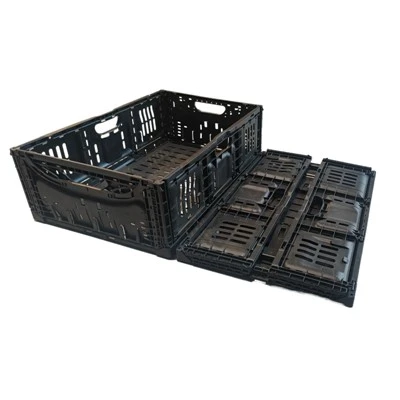
Recent innovations have further enhanced the functionality of plastic small crates. Features such as foldable designs enable flat packing when not in use, reducing transportation costs and storage space. Customizable colors and branding options allow companies to streamline inventory management and reinforce brand identity.
The logistics sector is also adopting plastic small crates to meet the increasing demand for faster and safer delivery services. Their compatibility with automated handling systems and conveyor belts speeds up sorting and distribution processes, improving overall supply chain efficiency.
In conclusion, plastic small crates represent a smart investment for various industries seeking reliable, sustainable, and efficient storage solutions. Their growing popularity reflects a broader trend toward innovative logistics practices that balance operational demands with environmental responsibility. As businesses continue to prioritize efficiency and sustainability, plastic small crates will likely remain a key component of modern supply chains worldwide.
 English
- English
- Français
- Deutsch
- 日本語
- Italiano
- Español
- Português
- русский
- 한국어
- اردو
- Melayu
- हिंदी
- עברית
- Norsk
- Ελληνικά
- România limbi
- Polski
- Svenska
- Bai Miaowen
- Latviešu
- Eesti
- Việt Nam
- فارسی
- Čeština
- magyar
- Türkçe
- বাংলা
- dansk
- slovenščina
- bosanski
- slovenčina
- íslenska
- suomi
- Malti
- українська
- ไทย
- Nederlands
- Gaeilgenah Éireann
- عربي
- Indonesia
- Cymraeg
- hrvatski
- Български
- Kreyòl Ayisyen
- Català
- Lietuvių