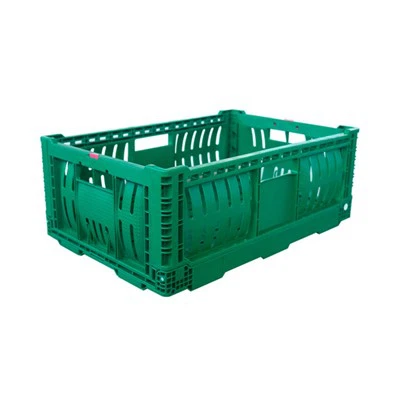
When it comes to ensuring the well - being and comfort of your furry friend, choosing the right crate and positioning it correctly in your room is crucial. As a crate supplier, I've seen firsthand how the placement of a crate can significantly impact a pet's behavior and overall happiness. In this blog, I'll share some tips on how to position a crate in a room for your pet.
Consider Your Pet's Personality
First and foremost, you need to take into account your pet's personality. Is your pet an introvert who likes a quiet and secluded space? Or is it an extrovert that wants to be in the middle of the action?
If your pet is shy or easily stressed, placing the crate in a quiet corner away from high - traffic areas is a good idea. This could be a spare room, a corner of your bedroom, or even a spot under a staircase. For example, if you have a cat that gets anxious around people, putting the crate in a quiet part of the house will give it a safe haven where it can relax.
On the other hand, if your pet is social and loves being around people, you might want to place the crate in a more central area of the room. A living room or a kitchen can be great spots, as your pet can still feel part of the family while having its own space.
Safety First
Safety is a top priority when positioning a crate. Make sure the crate is placed on a stable surface. You don't want it to tip over and potentially harm your pet. Avoid placing the crate near any sharp objects, heaters, or open flames.
Also, ensure that there is enough space around the crate for your pet to move in and out comfortably. If the crate is too close to a wall or furniture, your pet might get stuck or injured while trying to enter or exit.
Temperature and Ventilation
Pets are sensitive to temperature and ventilation. You don't want your pet to be too hot or too cold in its crate. Avoid placing the crate in direct sunlight, as it can quickly heat up the interior. Similarly, don't put it near a drafty window or an air - conditioning vent that blows cold air directly on the crate.
Good ventilation is essential to keep the air fresh inside the crate. Make sure there is enough space around the crate for air to circulate. You can also consider using a crate with proper ventilation holes or mesh sides.

Accessibility
Your pet should be able to access its crate easily. If you have a small pet like a guinea pig or a rabbit, make sure the entrance of the crate is at a height that is convenient for them to reach. For larger pets, ensure that there is enough space in front of the crate for them to approach and enter without any obstacles.
Visibility
Visibility can play an important role in your pet's comfort. Some pets feel more secure when they can see what's going on around them. If this is the case for your pet, place the crate in a location where it has a good view of the room. However, if your pet is easily distracted, you might want to place the crate in a spot where it has a more limited view.
Training and Familiarity
If you're using the crate for training purposes, it's important to place it in an area where your pet can get used to it. Start by placing the crate in a room where your pet spends a lot of time. Leave the door open and place some treats or toys inside to encourage your pet to explore it. As your pet becomes more comfortable, you can gradually move the crate to its final position.
Our Crate Options
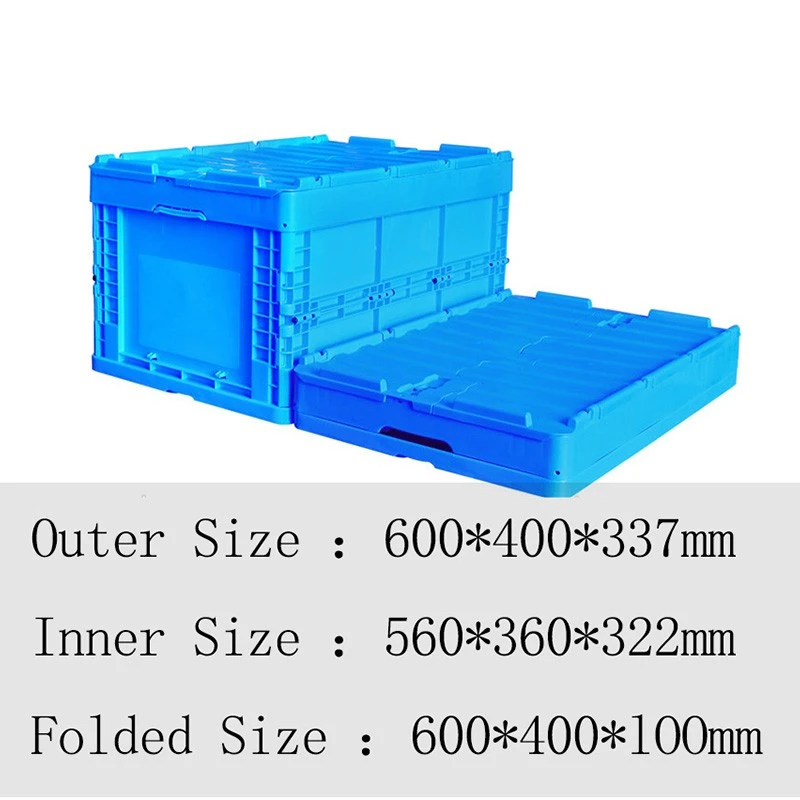
As a crate supplier, we offer a wide range of high - quality crates to meet your pet's needs. For example, our Folding Lid Storage Bins are perfect for storing your pet's toys, food, and other essentials. They are not only practical but also easy to fold and store when not in use.
Our Foldable Plastic Box with Lid is another great option. It provides a secure and comfortable space for your pet, and the lid ensures that your pet's belongings stay safe.
If you're looking for a crate that allows you to keep an eye on your pet, our Foldable Transparent Storage Box is the way to go. The transparent design lets you easily monitor your pet's activities.
Contact Us for Purchase
If you're interested in purchasing a crate for your pet, we'd love to hear from you. We can provide you with more information about our products, answer any questions you might have, and help you choose the right crate for your pet. Whether you have a small dog, a cat, or a small rodent, we have the perfect crate solution for you.
References
- "The Complete Guide to Pet Crate Training" by Sarah Wilson
- "Pet Care 101: Creating a Comfortable Space for Your Pet" by John Doe