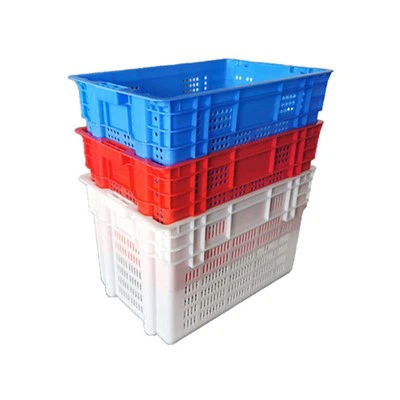
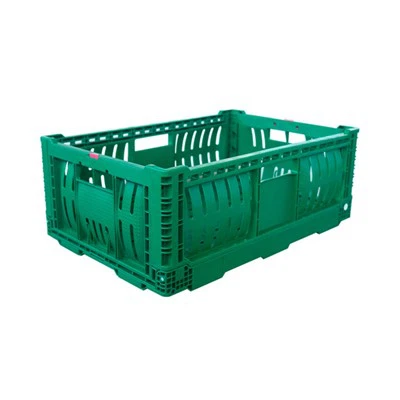
As a supplier of foldable transparent storage solutions, I'm often asked about the recyclability of our products. It's a crucial question, not only for environmental reasons but also for the long - term sustainability of our business. In this blog, we'll explore the recyclability of foldable transparent storage containers, considering materials, recycling processes, and the broader implications for our planet.
To understand whether foldable transparent storage can be recycled, we first need to look at the materials used in their production. Most foldable transparent storage products, such as the Collapsible Storage Box, Foldable Plastic Box with Lid, and Folding Plastic Crates Heavy Duty, are made from plastics. The most common types of plastics used are polyethylene (PE) and polypropylene (PP).
Polyethylene is a versatile plastic known for its durability and flexibility. It is used in a wide range of applications, from plastic bags to storage containers. Polypropylene, on the other hand, is a more rigid plastic with high heat resistance, making it suitable for products that need to withstand some wear and tear. Both PE and PP are thermoplastics, which means they can be melted and reformed into new products multiple times.
The recyclability of these plastics is generally high. In theory, foldable transparent storage made from PE or PP can be recycled. However, the actual recycling process is more complex. Recycling facilities need to collect, sort, clean, and process the plastics. The collection process is the first hurdle. Not all areas have efficient collection systems for plastic waste, especially for large objects like storage containers. Some consumers may not know where to recycle these items, leading to them being thrown into regular trash.
Sorting is another critical step. Different types of plastics need to be separated because they have different melting points and properties. If different plastics are mixed together during the recycling process, the resulting recycled material will be of lower quality and may not be suitable for many applications. For our foldable transparent storage products, separating PE and PP from other plastics and contaminants is essential to ensure a successful recycling outcome.
Cleaning the plastics is also vital. Storage containers can accumulate dirt, dust, and residues from the items they have stored. These contaminants can compromise the quality of the recycled plastic. Recycling facilities need to use specialized cleaning techniques to ensure the plastics are clean before the melting and re - forming process.


In some regions, there are advanced recycling technologies that can handle plastic waste more efficiently. Chemical recycling, for example, can break down plastics into their basic chemical components, which can then be used to create new plastics of the same quality as virgin plastics. However, these technologies are still relatively expensive and not yet widely available.
When it comes to the environmental impact, recycling foldable transparent storage containers has significant benefits. By recycling, we can reduce the amount of plastic waste that ends up in landfills or the ocean. Plastic waste in landfills takes hundreds of years to decompose, and in the ocean, it poses a serious threat to marine life. Recycling also helps conserve natural resources. The production of new plastics from virgin materials requires large amounts of fossil fuels and energy. By using recycled plastics, we can reduce our dependence on these finite resources.
As a supplier, we are committed to promoting the recyclability of our products. We label our foldable transparent storage containers with clear recycling instructions to help consumers understand how to recycle them properly. We also work with local recycling facilities to improve the recycling process and increase the recycling rate of our products. In addition, we are exploring the use of more sustainable materials in our production. For example, we are researching the possibility of using bio - based plastics, which are made from renewable resources such as plants and can be more easily decomposed in the environment.
However, we also recognize that the responsibility for recycling does not lie solely with the supplier. Consumers play a crucial role in the recycling process. They need to be aware of the importance of recycling and take the initiative to recycle their used storage containers. Governments and local authorities also have a responsibility to improve the recycling infrastructure and provide more convenient recycling options.
In conclusion, foldable transparent storage made from PE and PP can be recycled, but the process faces several challenges. With the joint efforts of suppliers, consumers, and governments, we can overcome these challenges and increase the recycling rate of these products. By doing so, we can contribute to a more sustainable future.
If you're interested in purchasing our foldable transparent storage products or have any questions about their recyclability, we welcome you to contact us for further discussion. Our team of experts is ready to provide you with detailed information and assist you in making the right choice for your storage needs.
References
- American Chemistry Council. (2023). Plastic Recycling Basics.
- European Union. (2022). Directive on Packaging and Packaging Waste.
- United Nations Environment Programme. (2021). Global Plastics Outlook: Environmentally Sound Management of Plastics to 2040.